Bundle 3D Spring Shadow Box Svg Review
First Impressions: Translating Digital Layers to Thread
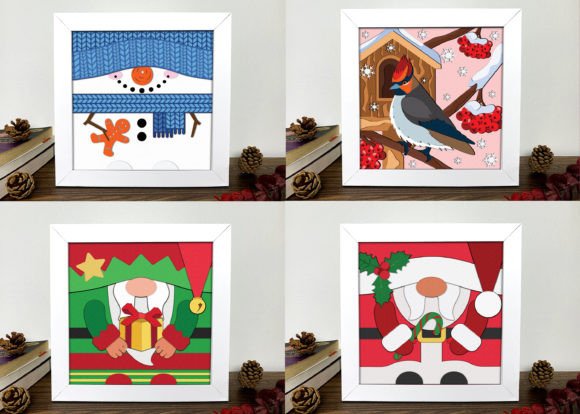
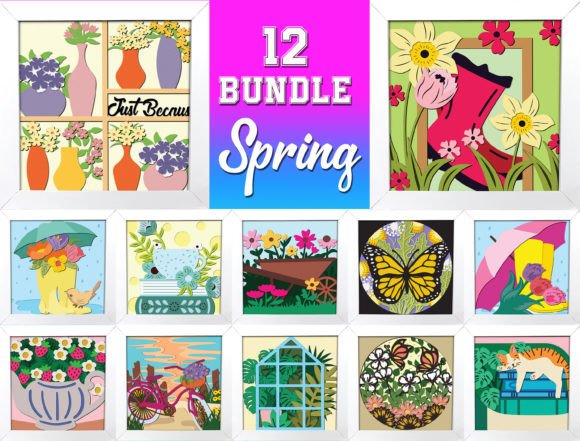
As a designer who constantly bridges the gap between digital cutting files and needlework, I approach every new asset with a specific question: will this actually stitch out well? When I first opened the Bundle 3D Spring Shadow Box Svg, my immediate focus was on the structural integrity of the layers. While this is marketed as a digital cutting file for paper crafts, experienced makers know that these layered designs often hold the blueprint for stunning mixed-media embroidery projects. The mood is undeniably fresh and dimensional, capturing the essence of Spring through depth rather than just color. For an embroidery designer or Etsy seller, this isn't just a picture; it is a roadmap for creating texture.
The visual personality of this bundle feels organic yet structured. Unlike flat vector art, the shadow box format implies separation between elements. In a real-life studio setting, this translates beautifully to applique design work or layered felt projects where you want to mimic that 3D paper effect using fabric. I immediately envisioned this not as a standalone stitch file, but as a guide for placing fabric layers beneath embroidery outlines. The layout suggests a natural hierarchy, meaning your eye knows exactly where to focus, which is critical when converting digital assets into a tangible handmade product.
Real-World Application: The Custom Nursery Decor Test
To truly evaluate the commercial viability of the Bundle 3D Spring Shadow Box Svg, I mentally prototyped a custom nursery wall hanging. This is a high-value item for small shop owners and craft business entrepreneurs. In this scenario, I wasn't just stitching a flat flower; I was using the SVG lines to cut precise fabric shapes that would then be secured with embroidery. The result is a piece that looks like a premium shadow box but retains the durability of textiles.
For this specific project, the design’s layering dictates the workflow. I would use the base layer as a placement line for background fabric, perhaps a soft linen. The middle layers would serve as guides for cotton or wool felt appliques, secured with a narrow satin stitch or a decorative running stitch. The top details could be stitched directly or added as pre-cut fabric accents. This method elevates a standard baby embroidery project into a boutique-level offering. Customers react differently to texture; they perceive higher value in items that invite touch. By leveraging the 3D nature of this Spring theme, you create a personalized gift that stands out against generic, flat machine embroidery designs found in big-box stores.
Navigating Fabric Choices and Technical Constraints
While the aesthetic potential is high, practical execution requires caution. Not every fabric plays nicely with complex, layered designs derived from shadow box templates. If you are planning to use this bundle for sweatshirt embroidery or custom apparel, you must consider the weight of the materials. Heavy layering can cause puckering on thin knits or stretchy fabrics. I would advise against using intricate inner details of this design on lightweight t-shirts unless you are using a very stable interfacing or opting for a simpler variation of the file.
Textured fabrics present another challenge. The beauty of a shadow box lies in clean edges and clear separation. If you stitch this onto a highly textured towel or boucle, the fine details may get lost visually. For tea towels or kitchen linens, stick to the bolder outer elements of the bundle. Conversely, smooth cottons, canvas for tote bag designs, and firm felts are ideal canvases. They provide the stability needed to support multiple layers without distorting the hoop size or breaking needles.
Dark fabrics also require strategic thinking. Since this design relies on shadow and depth for its 3D effect, stitching dark thread on dark fabric will flatten the image entirely. You need contrast to sell the illusion. As an embroidery designer, I always recommend testing thread colors against your chosen fabric background before committing to a full production run. Sometimes, reversing the values—using light fabric layers on a dark background—creates a more striking holiday embroidery or seasonal display than the original color scheme intended.
Elevating Product Value and Brand Consistency
Using assets like the Bundle 3D Spring Shadow Box Svg effectively can significantly impact buyer engagement and perceived professionalism. For Etsy sellers and digital product sellers, consistency is key. If you build a Spring collection around this bundle, ensure your finished products share a cohesive style. Mixing this delicate, layered aesthetic with heavy, industrial-style stitching might confuse your customer base. The design assets here suggest a softness and precision that should carry through to your packaging, photography, and printable mockups.
From a commercial embroidery perspective, this type of design allows for unique customization. Because the elements are separated by layers, it is easier to swap out names, dates, or specific colors without digitizing from scratch. This flexibility is gold for personalized gifts and wedding items. However, always verify the licensing terms included with your purchase. While the description encourages buyers to create products, confirming whether you can sell the physical embroidered items versus the digital embroidery file itself is essential for protecting your business. Never assume commercial rights extend to reselling the digitized version of the SVG; usually, the value you sell is in your unique transformation of the asset into a finished product.
Designer Notes for Successful Execution
Before you hoop up your best fabric, take these practical steps to ensure the Bundle 3D Spring Shadow Box Svg translates successfully from screen to stitch:
- Test Stitch Density: Since this originates as a cutting file, if you are using a pre-digitized version based on it, check for excessive density in overlap areas. Too much thread buildup can break needles or warp fabric.
- Stabilizer Selection: Do not skimp here. For multi-layer applique or 3D effects, use a high-quality cut-away stabilizer for apparel or a firm tear-away for quilting cottons. Floating the fabric is rarely sufficient for this level of detail.
- Mockup Validation: Create black and white mockups of your intended colorway. If the design reads clearly without color, your stitch definition is solid. If it looks muddy in grayscale, adjust your thread contrast or simplify the layers.
- Hoop Size Verification: Ensure your design fits comfortably within your hoop with adequate margin for the presser foot. Crowding the hoop leads to registration errors, which ruins the alignment crucial for shadow box styles.
- Thread Color Contrast: Physically lay thread spools on your fabric. Screen colors are deceptive. Real-life lighting determines whether the 3D effect pops or falls flat.
- Licensing Check: Re-read the specific terms for this bundle. Confirm if attribution is required for commercial sales or if there are limits on the number of physical units sold.
Ultimately, the Bundle 3D Spring Shadow Box Svg offers a fantastic foundation for creative entrepreneurs willing to experiment beyond basic flat stitching. It bridges the gap between paper crafting precision and textile warmth. Whether you are making a custom embroidered patch, a nursery keepsake, or a seasonal tote bag design, success lies in respecting the technical limitations of your materials while embracing the dimensional possibilities of the artwork. Treat it as a collaborative tool rather than a rigid template, and your handmade products will reflect both professional skill and genuine artistic vision.