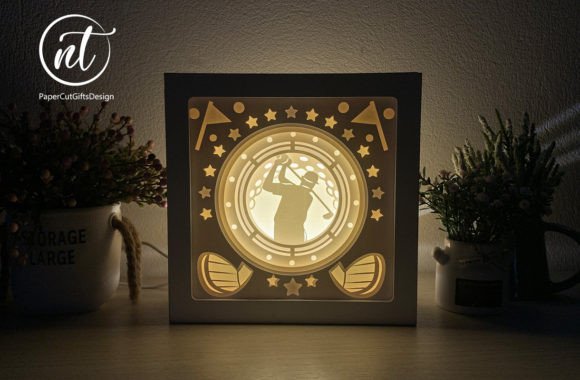
Golf Light Box Template: 3D SVG for Shadow Boxes
As a handmade business owner who specializes in personalized gifts and paper crafts, I am constantly evaluating new graphic design assets to see if they can withstand the rigors of real production. When I first opened the files for the Golf Light Box Template, Sports Paper Cut, my immediate impression was one of sophisticated depth. This is not a flat, generic sports clipart; it carries an elegant, premium mood that appeals to adult golfers, corporate clients, and retirees rather than just children. The aesthetic strikes a balance between playful and refined, making it ideal for high-end Etsy products or custom commissions where perceived value matters. For crafters looking to move beyond simple vinyl decals, this asset suggests a level of craftsmanship that justifies a higher price point at a craft fair or in an online shop.
First Impressions and Market Appeal for Handmade Sellers
In the saturated market of sports-themed crafts, standing out requires more than just a silhouette of a golfer. This template offers a structural approach to design. The visual hierarchy implies luxury and patience, traits that attract buyers looking for anniversary gifts, retirement tributes, or tournament awards. As a small business branding tool, using such intricate layering signals to customers that you are a professional maker, not just someone printing stickers. The design feels cozy yet masculine, avoiding the overly bright neon aesthetics common in digital sports art. This makes it particularly versatile for home decor items like framed light boxes or mantle displays, where the item needs to blend with existing interior design styles while still celebrating the sport.
Real-World Applications: From Cricut Projects to Sublimation
The true test of any SVG design is its versatility across different mediums. While this file is engineered specifically as a 3D SVG, its components have broader utility for creative entrepreneurs. For my fellow Cricut and Silhouette users, the primary application is obviously the layered paper cut. However, I have found that individual elements from this template work beautifully as standalone sticker designs or accents on greeting cards. If you run a print-on-demand business or offer sublimation products, the flattened version serves as an excellent background texture for tumbler wraps or mug designs. The depth created by the shadows in the original file translates well into 2D prints when adjusted for contrast.
For those focusing on physical paper goods, this asset is a powerhouse. It integrates seamlessly into seasonal craft bundles for Father’s Day or golf season openers. I can also envision using the isolated golf ball or flag elements as decorative accents on handmade packaging or thank-you cards included with orders. This maximizes the ROI of your design bundle purchase by allowing you to create cohesive branding across multiple product lines without buying separate assets.
Mastering the Layered Assembly Technique
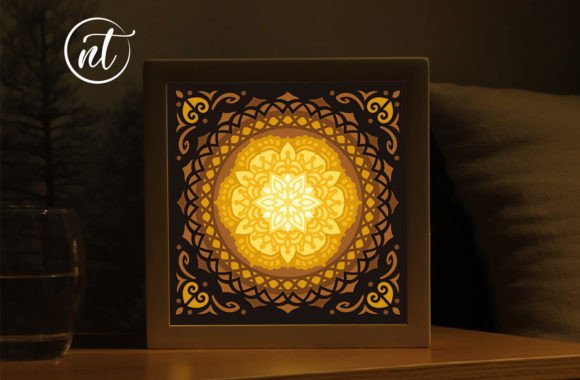
Understanding the construction method is vital for success with this specific file. The Golf Light Box Template is created by combining multiple layers of paper, but the magic lies in the spacing. Between each layer of paper, you must put a 5mm foam board to create distance. This specific measurement helps to create genuine 3D space for the shadow box, preventing the layers from looking squashed or flat. In my testing, adhering strictly to this 5mm gap is what separates a professional-looking shadow box from a messy school project. When backlit with LED strips, this spacing allows light to wash over each paper layer evenly, creating the dramatic silhouettes that make these products sell. Deviating from this spacing can result in harsh shadows or light leaks, so precision in your foam spacer cutting is just as important as the paper cutting itself.
Where This Asset Shines Best in Production
Based on my workflow testing, this graphic design asset performs exceptionally well in large-format applications. It is optimized for standard shadow box frame sizes, typically 8x10 or A4. The clean printable layouts ensure that when you scale the design, the registration marks remain accurate. It is also fantastic for personalized items where you might need to swap out a name or date on the bottom layer; the modular nature of the SVG makes editing in Design Space or Illustrator straightforward. For digital product sellers offering printable wall art, the high-resolution PNG versions maintain crisp edges even when printed at larger sizes. Additionally, because the design relies on positive and negative space rather than color gradients, it is incredibly forgiving when cutting on darker cardstocks, which often show less tear-out than white paper.
Critical Limitations and Crafting Warnings
Honesty is key in reviewing commercial design assets, and there are areas where caution is required. Do not attempt to shrink this design down for small sticker sizes or planner stickers. The intricate internal cuts meant for light passage will become uncuttable bridges at small scales, leading to machine jams and wasted material. Similarly, avoid using this complex layering technique for layered vinyl projects; the adhesive buildup from multiple foam spacers and vinyl layers creates a bulky, uneven surface that looks unprofessional. Low-contrast color combinations should also be avoided; if your top layer and second layer are too similar in tone, the 3D effect vanishes. Always ensure sufficient contrast between layers to maintain readability of the shapes, especially if the light box will be viewed with the LEDs turned off during the day.
Essential Pre-Production Checklist for Makers
Before listing any finished product derived from this template in your creative marketplace shop, run through this practical checklist to protect your reputation and profit margins:
- Test Cut First: Always perform a test cut on your actual selling paper weight. Intricate sports details can tear on lighter text-weight paper; 65lb to 80lb cardstock is usually the sweet spot.
- Verify Line Cleanliness: Open the SVG in your cutting software and check for stray nodes or open paths. A single unclosed path can ruin an entire batch of cuts.
- Check Commercial Licensing: Confirm that your license covers physical sales. Some designers restrict commercial license usage to digital-only or require attribution.
- Mockup Validation: Place the design on real product mockups before photographing. Ensure the proportions look correct relative to the frame size.
- Font Pairing: If adding custom text, pair the geometric sports shapes with a clean sans-serif or a bold slab serif font. Avoid delicate scripts that compete with the intricate paper cuts.
- Lighting Test: Photograph your prototype with both warm and cool LED lights. Some papers yellow under warm light, changing the intended mood of the illustration.
- Simplify if Needed: If your machine struggles with the smallest details, do not hesitate to simplify the layout. Customers care about the overall impact, not microscopic perfection that causes production delays.
Final Thoughts for Creative Entrepreneurs
The Golf Light Box Template, Sports Paper Cut represents a valuable addition to the inventory of serious paper crafters and handmade business owners. It moves beyond basic crafting into the realm of architectural paper art, offering a product that commands respect and higher prices. By respecting the technical requirements of the 5mm foam spacing and understanding where the design excels versus where it fails, you can leverage this design assets to build a unique niche in the sports gift market. Whether you are preparing for a local vendor event or updating your Etsy shop for the spring golf season, this template provides the structural foundation for professional, luminous creations that delight customers and showcase your dedication to the craft.