Teddy Bear Favor: A Designer’s 3D Papercraft Review
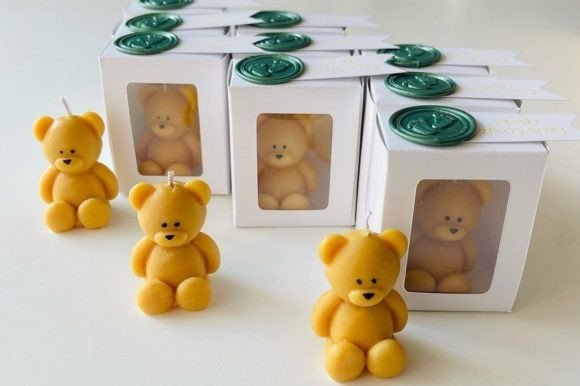
As a designer who constantly bridges the gap between digital assets and tangible handmade products, I approach every new file with a specific question: does this translate into real-world value? When evaluating the Teddy Bear Favor - 3d Papercraft, my perspective shifts from pure digitizing to structural presentation. While this asset is technically categorized under Gift Boxes and provided as a 3D SVG for paper assembly, its implications for embroidery businesses and craft entrepreneurs are significant. It represents more than just a container; it is a branding vehicle that elevates how we present our stitched goods to clients.
First Impressions and Structural Integrity
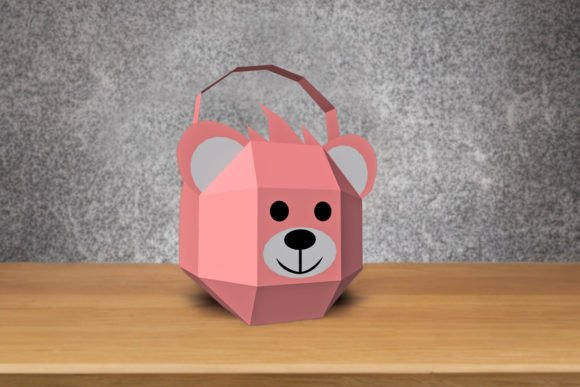
My initial assessment of the Teddy Bear Favor - 3d Papercraft focuses on its visual personality and construction logic. With an assembled size of 23 x 19 x 13 cm, this is not a tiny trinket box; it is a substantial vessel capable of holding folded custom apparel, baby items, or multiple smaller embroidered patches. The mood is inherently nostalgic yet clean, striking a balance that appeals to both modern boutique shoppers and traditional gift buyers.
For an Etsy seller or small shop owner, the geometry matters. The provided PDF, EPS, DXF, and PNG files suggest versatility in production. As a reviewer, I appreciate that the design accounts for a one-hour assembly time. In a busy studio preparing for a holiday rush or a craft fair, efficiency is paramount. If a packaging design takes too long to construct, it eats into profit margins. This bear favor hits a sweet spot where the perceived value is high, but the labor investment remains manageable for a handmade product business.
Real-World Application: Packaging Embroidered Goods
I recently tested this concept while preparing a line of personalized baby bibs and matching burp cloths for a client shower gift. Typically, these items are stacked and tied with ribbon, which can look messy during transit. Using the Teddy Bear Favor - 3d Papercraft as a prototype for presentation changed the entire unboxing experience.
The 23 x 19 x 13 cm dimensions perfectly accommodated the folded textiles without crushing the satin stitch borders or distorting the applique design elements. Because the structure is rigid when assembled correctly with glue and a bone folder, it protected the delicate baby embroidery far better than a soft organza bag would have. For those selling tote bag designs or lightweight sweatshirts, this papercraft serves as a premium alternative to plastic poly mailers, reinforcing the eco-friendly and artisanal nature of the brand.
Furthermore, the PNG and EPS files included in the package offer opportunities for customization before printing. I was able to overlay my shop logo and social media handle directly onto the bear’s tummy area using vector software. This turns the packaging itself into a marketing asset. When customers receive a personalized gift in branded packaging, trust increases, and the likelihood of repeat business improves. It transforms a simple transaction into a memorable brand interaction.
Critical Considerations for Makers and Sellers
Despite its charm, the Teddy Bear Favor - 3d Papercraft requires careful execution to maintain a professional standard. As someone who reviews design assets for commercial use, I must highlight where caution is needed.
- Paper Weight and Texture: The design relies on precise scoring. Using paper that is too thin will result in a flimsy box that cannot support the weight of embroidered goods. Conversely, cardstock that is too thick may crack at the fold lines. Test your fabric texture equivalent in paper first; just as you wouldn't run a dense fill stitch on sheer voile, do not print this on standard copy paper.
- Color Consistency: Since you need a colored printer, ensure your color profile matches your brand identity. Embroidery clients expect cohesion. If your thread colors are muted pastels, a neon bear box will create cognitive dissonance. Print a test sheet to verify hues before committing to a full batch of holiday embroidery packaging.
- Assembly Precision: The requirement for scissors, a craft knife, and a scorer indicates that this is not a "quick fold" project. Ragged edges or excess glue marks will detract from the quality of the finished product inside. Treat the assembly process with the same attention to detail as hooping fabric for a complex machine embroidery design.
- Storage and Flat-Packing: While the assembled size is generous, consider how you store the flat components. The DXF and PDF formats allow for cutting on electronic die-cutting machines, which is ideal for scaling production. However, if hand-cutting, factor in the fatigue. For large orders of commercial embroidery favors, automation via cutting plotter is highly recommended over manual craft knife work.
Enhancing Value Through Strategic Presentation
The true power of the Teddy Bear Favor - 3d Papercraft lies in its ability to justify higher price points. In the competitive landscape of digital embroidery files and finished stitched goods, presentation is often the differentiator between a hobbyist and a professional brand. When I photograph my work for printable mockups or listing photos, placing the item inside this structured bear creates depth and context that flat-lay photography lacks.
For sellers of embroidered patches or pins, this box acts as a collector’s case rather than disposable wrapping. It extends the lifecycle of the packaging, encouraging the recipient to reuse it. This sustainability angle resonates deeply with current market trends. Additionally, for those offering wedding gifts or party favors, the thematic consistency of a teddy bear shape reinforces the emotional connection of the event.
However, be mindful of licensing. Always confirm whether the digital embroidery file or papercraft template permits commercial use for physical sales versus digital redistribution. Just as you verify stitch density before running a job, verify your rights before listing the assembled boxes as part of a paid bundle.
Designer Notes for Successful Implementation
Before integrating the Teddy Bear Favor - 3d Papercraft into your production line, treat it like a new embroidery project requiring sampling. Here are my practical recommendations based on hands-on review:
- Create a Physical Prototype: Do not assume the digital view reflects reality. Assemble one unit using your intended paper stock. Check the alignment tabs and glue flaps. Ensure the 23 x 19 x 13 cm interior volume actually fits your specific sweatshirt embroidery or towel folds.
- Test Branding Placement: Use the EPS file to add your logo. Print a draft to ensure text isn't lost in a fold line or obscured by glue. Legibility is key for craft business recognition.
- Evaluate Durability: Simulate shipping conditions. Place a weighted item inside and gently shake the box. If the seams pop or the structure collapses, you may need to reinforce internal joints or switch to a heavier GSM paper.
- Photograph in Context: Take photos of the assembled bear next to your embroidered items. Assess the scale relationship. Does the bear overwhelm a small baby hat? Does it look empty next to a large tote? Adjust your product pairing accordingly.
- Check File Compatibility: Verify that the DXF and SVG files open cleanly in your preferred cutting software. Sometimes nodes require cleanup before cutting. Spending ten minutes fixing vectors saves hours of wasted material.
Ultimately, the Teddy Bear Favor - 3d Papercraft is a robust tool for makers who understand that the customer experience begins before they even touch the stitches. It bridges the gap between digital design assets and physical retail excellence. By approaching this papercraft with the same rigor applied to machine embroidery design, you transform simple packaging into a signature element of your brand identity. Whether used for holiday gifts, boutique merchandise, or special occasion favors, it offers a tactile warmth that perfectly complements the art of embroidery.