New Home Pop Up Box Card: An Embroidery Review
As a designer who constantly evaluates digital assets for real-world production, I approach every new file with a healthy dose of skepticism. We have all downloaded beautiful previews that turn into thread nests or distorted shapes once they hit the hoop. When I first examined the New Home Pop Up Box Card by Furrow and Feather, my immediate focus was not just on its aesthetic charm, but on its structural integrity as an embroidery project. While this asset is categorized under Ornaments and listed as a 3D SVG, my review focuses entirely on its viability for machine embroidery applications, specifically for makers and small business owners looking to create tangible, high-quality goods.
First Impressions and Structural Integrity
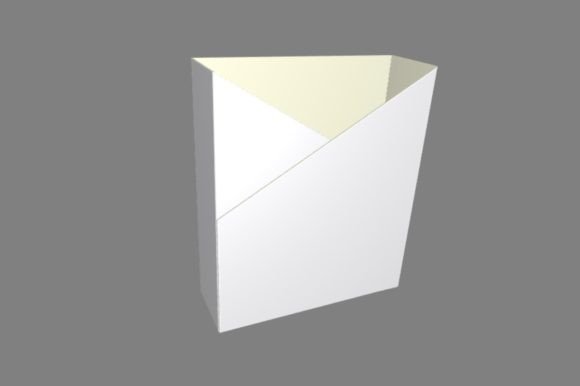
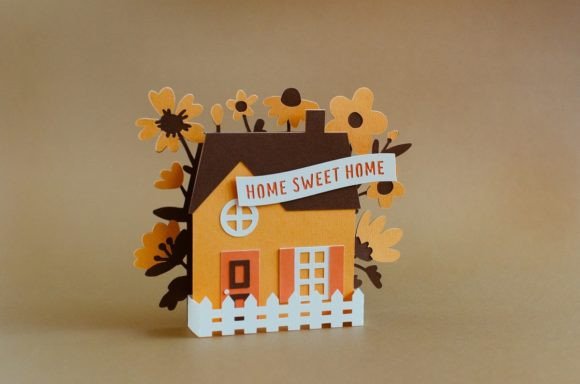
The visual personality of this design is undeniably sweet. It carries a whimsical, celebratory mood that feels appropriate for housewarmings, realtor closing gifts, or welcoming a new neighbor. However, translating a "pop-up box card" concept into needle and thread requires careful consideration. In digital paper crafting, layers are free; in embroidery, every layer adds density and potential puckering risks. My first impression is that this design relies heavily on precise registration. For an embroidery designer, the term "box card" implies defined edges and structural folds. If you are adapting this SVG for stitching, you must ensure the running stitch outlines align perfectly with any satin stitch borders or fill stitch areas. A misalignment here doesn't just look messy; it breaks the illusion of a three-dimensional object.
The layout suggests a centered composition, which is excellent for placement on standard garments and home textiles. The detail level appears moderate, avoiding overly microscopic elements that might get lost on textured fabrics. This balance makes it a strong candidate for both personal projects and commercial embroidery ventures where production speed and consistency matter.
Real-World Application: The Custom Tea Towel Test
To truly evaluate this design, I mentally placed it in a specific production scenario: creating a premium cotton tea towel as a personalized gift for a client who just purchased their first home. Tea towels are a staple for Etsy sellers and craft businesses because they offer a flat, stable surface that showcases embroidery well. However, they also demand durability.
In this scenario, the New Home Pop Up Box Card serves as more than just decoration; it acts as a branding element for the maker. When stitching this onto a linen-cotton blend, I would treat the "pop-up" elements as applique design opportunities rather than dense fill stitches. Using fabric scraps for the raised sections reduces overall stitch density, preventing the towel from becoming stiff or warping during washing. For a handmade product intended for kitchen use, this adaptation is crucial. Customers trust products that remain functional after laundering. If the design is too dense, the fabric will pucker, and the towel will lose its drape. By visualizing this application, it becomes clear that while the original file is a 3D SVG, its success in embroidery depends on interpreting those layers intelligently to maintain fabric integrity.
Navigating Fabric Variables and Hoop Constraints
Not every substrate is friendly to architectural designs like this one. Where should you use caution? I would advise against using this specific motif on stretchy knits or performance wear without significant modification. The structured nature of a box card fights against the elasticity of jersey or spandex blends. If you are planning sweatshirt embroidery or custom apparel on t-shirts, you must use a heavy-duty cut-away stabilizer and potentially a topping to prevent the design from sinking into the fabric pile.
Small hoop sizes present another challenge. If you are working within a 4x4 hoop, verify that the intricate corners of the box card do not get clipped or simplified beyond recognition. Tiny lettering often accompanies new home themes; if the text falls below 6mm in height, consider replacing it with a simpler font or removing it entirely to preserve clarity. Dark fabrics also require forethought. If the design relies on light-colored internal details to show depth, ensure you have adequate contrast. A white satin stitch outline on navy fabric reads beautifully, but a pale blue fill on grey fabric may disappear. Always test thread colors against your specific garment color before committing to a full production run.
Elevating Product Value and Buyer Engagement
For creative entrepreneurs and boutique owners, the value of an embroidery file extends beyond the stitch count. It lies in the perceived quality of the finished product. A cleanly executed New Home Pop Up Box Card signals professionalism. When customers see crisp corners, smooth satin stitches, and balanced proportions, they associate those traits with your brand's reliability. This is particularly important for holiday embroidery or wedding gifts, where emotional stakes are high.
Furthermore, this design has strong potential for printable mockups and digital product previews. Even if you sell physical items, your online listing photos drive engagement. Because the design has inherent depth and dimension, it photographs well when lit correctly. Showing the texture of the stitches alongside the clean lines of the box card helps buyers understand what they are purchasing. For Etsy sellers, pairing this embroidery project with lifestyle photography—such as the tea towel draped over a wooden chair or pinned to a bulletin board—enhances giftability and recognition. It transforms a digital asset into a desirable, tangible solution for the buyer’s gifting needs.
Critical Designer Notes for Production Success
Before you load this design into your machine or list it in your shop, adhere to these practical checkpoints:
- Verify Licensing: Confirm whether the Furrow and Feather license permits commercial use of finished products or if it is restricted to personal use. Never assume rights based on file type alone.
- Test on Scrap Fabric: Always run a sew-out on the exact material you intend to use. Check how the stitch density interacts with the fabric texture. Adjust pull compensation if gaps appear between outlines and fills.
- Stabilizer Selection: For woven fabrics like tea towels or pillow covers, a medium-weight tear-away may suffice. For knits or unstable weaves, use a no-show mesh cut-away to prevent distortion.
- Thread Color Contrast: Review your palette in natural lighting. Ensure the "pop-up" effect is visible through value contrast, not just color difference. Black and white mockups can help identify weak spots.
- Check Small Details: Inspect any tiny decorative accents. If they are smaller than 2mm wide, they may cause needle breaks or thread shredding. Simplify or remove them if necessary.
- Mockup Testing: Create digital previews showing the design on both light and dark backgrounds. This helps customers visualize versatility and increases confidence in your listings.
- Wash Testing: If selling functional items like baby embroidery or kitchen textiles, wash your test sample three times. Verify that the design holds up without excessive fraying or shrinkage issues.
The New Home Pop Up Box Card offers a delightful foundation for makers who understand the translation process from screen to stitch. By respecting the technical demands of machine embroidery and adapting the 3D SVG concept to suit physical materials, you can create heirloom-quality pieces that resonate with clients. Whether you are embellishing a tote bag design for a local market or curating a collection of personalized gifts, success lies in the details. Treat this file not as a final destination, but as a starting point for your own craftsmanship and business growth.