Tree 3D Papercut SVG for Embroidery Projects
First Impressions: Translating Paper Art to Thread
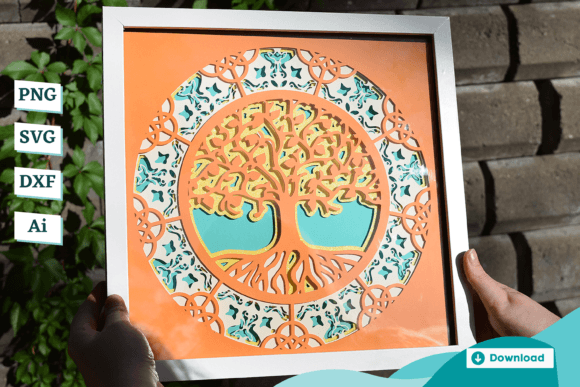
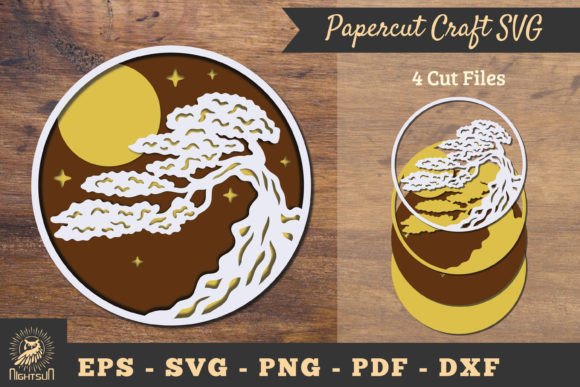
As a designer who constantly bridges the gap between digital assets and tangible textiles, I approach every new file with a healthy dose of skepticism. When I first opened the Tree 3D Papercut SVG, Paper Cutting asset, my immediate thought was not about how it looks on a screen, but how it will behave under a needle. This design is originally categorized for shadow boxes and 3D paper crafts, which presents a unique challenge and opportunity for embroidery digitizers and makers. The aesthetic is undeniably striking; it carries that intricate, layered depth characteristic of laser-cut paper art. However, translating those crisp, mathematical vector lines into a machine embroidery design requires a discerning eye.
The mood this tree evokes is organic yet structured, making it feel modern rather than rustic. For an Etsy seller or small shop product developer, this visual personality is gold. It avoids the generic clip-art look that saturates the market. Instead, it offers a sophisticated silhouette that suggests high-value craftsmanship. As I reviewed the included files—the SVG, AI CS6, EPS, PDF, DXF, and high-quality PNG—I focused on the line weight and negative space. These are the critical factors that determine whether a digital embroidery file will stitch out cleanly or turn into a dense, puckered mess. The vectors are clean, which is a promising start for anyone looking to create custom digitizing from scratch or adapt this for mixed-media projects.
Real-World Application: The Custom Sweatshirt Test
To truly evaluate this asset, I mentally placed it in a real-life production scenario. Imagine preparing a batch of premium crewneck sweatshirts for a fall boutique collection. A sweatshirt embroidery project demands more than just a pretty picture; it needs structural integrity. Fleece is a textured, somewhat unstable fabric compared to woven cotton. If I were using the Tree 3D Papercut SVG, Paper Cutting as a guide for digitizing an appliqué or redwork piece, I would immediately assess how the intricate branches interact with the fleece nap.
In this scenario, the design serves as an excellent candidate for a large-scale back print or a centered chest motif. Because the original art relies on layers to create depth, I would interpret this using varying stitch density and thread textures rather than trying to replicate physical paper stacking. For example, using a matte thread for the trunk and a rayon or polyester sheen for the foliage could mimic the shadow effects of a 3D papercut without adding excessive bulk. This approach elevates the finished product from a simple embroidered garment to a piece of wearable art. Customers browsing your shop aren't just buying a sweater; they are buying the perception of luxury that comes from thoughtful design adaptation. This specific tree motif has enough visual weight to justify a higher price point on custom apparel, provided the execution respects the fabric's limitations.
Navigating Fabric Limitations and Hoop Constraints
While the design is versatile, practical experience dictates caution in certain applications. Not every embroidery project is suitable for such detailed artwork. I would advise against using this specific tree design on stretchy performance wear or thin jersey knits without significant modification. The complexity inherent in a "papercut" style often translates to higher stitch counts or tighter registration requirements. On unstable fabrics, this can lead to distortion where the tree looks warped or the branches fail to align correctly.
Furthermore, consider your hoop size carefully. This design likely loses its impact if shrunk down to fit a small 4x4 hoop. Tiny details that look elegant in a vector file can become indistinguishable blobs of thread when scaled down for a baby onesie or a cap. If you are targeting the baby embroidery market, you might need to simplify the branch structure significantly to ensure safety and softness. Similarly, curved surfaces like caps present registration challenges for layered designs. The precise alignment required to sell the "3D" illusion is difficult to maintain on a curved brim. For these items, I would recommend testing extensively or opting for a flatter, less complex variation of the tree.
Dark fabrics also require strategic planning. A papercut design relies heavily on contrast and shadow. On black or navy material, you lose the natural shadow play unless you intentionally digitize light-colored underlays or background fills. Always test your thread colors against the actual garment fabric, not just a digital preview. What looks vibrant on a white screen may disappear on a charcoal sweatshirt.
Enhancing Brand Value and Customer Trust
Using high-quality source assets like the Tree 3D Papercut SVG, Paper Cutting directly impacts how customers perceive your brand. In the saturated world of handmade goods, professionalism is the differentiator. When a buyer sees a design that clearly originated from a professional vector source rather than a traced raster image, it builds subconscious trust. They recognize the clean lines and balanced composition, even if they don't understand the technical aspects of design assets.
This design is particularly strong for seasonal merchandise. Whether you are creating holiday embroidery ornaments, wedding gifts, or autumn home decor, the tree is a timeless symbol that resonates across demographics. For commercial embroidery businesses, having a reliable, scalable vector file means you can offer consistent branding across different mediums. You could use the same tree motif for a store’s signage (via the DXF or EPS files), their staff aprons, and their retail tote bags. This cohesion strengthens brand identity. Additionally, the included high-quality PNG is invaluable for creating printable mockups. Before you even stitch a single sample, you can list the product online with a realistic digital preview, gauging customer interest and validating the design’s commercial viability without wasting materials.
Essential Designer Notes for Successful Execution
Before you load this file into your software or send it to production, adhere to these practical checkpoints to ensure success:
- Verify Licensing: Always confirm the specific license terms for this asset. Ensure you have the right to sell finished embroidered products or if the license restricts use to personal projects only. Never assume commercial rights.
- Test Stitchouts Are Mandatory: Do not skip testing on scrap fabric that matches your final project. Check for registration issues, especially if you are layering stitches to simulate the 3D effect.
- Stabilizer Selection: Given the potential detail in a papercut style, use adequate stabilizer. Cut-away stabilizer is generally safer for apparel to prevent puckering over time, while tear-away may suffice for sturdy tote bags.
- Simplify for Appliqué: If converting this to an applique design, ensure the tack-down stitches are secure and the satin stitch borders are wide enough to cover raw edges without fraying.
- Contrast Checks: View the design in grayscale before stitching. If the values are too similar, the 3D effect will be lost in thread. Adjust thread colors to maximize tonal contrast.
- File Format Awareness: Remember that the provided files (SVG, AI, EPS, DXF, PDF) are vector formats for cutting or editing. They are not native embroidery machine files. You must digitize them or hire a digitizer to convert them into DST, PES, JEF, or other machine-specific formats.
By treating the Tree 3D Papercut SVG, Paper Cutting as a foundational blueprint rather than a plug-and-play solution, you unlock its full potential. It is a robust asset for the serious maker who understands that great embroidery is born from the marriage of beautiful design and technical precision. Whether you are crafting a personalized gift or scaling a craft business, this design offers the structural elegance needed to stand out in a crowded marketplace.