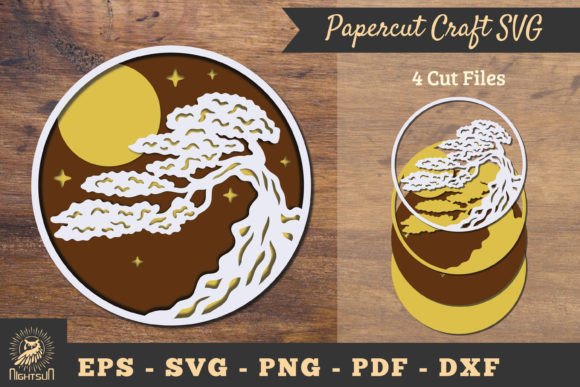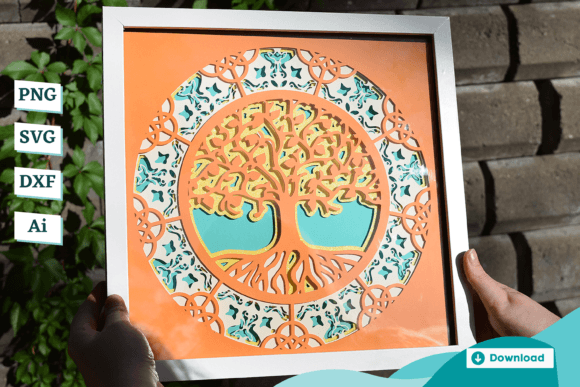
3D SVG Papercut Tree: Centerpieces for Brand Identity
Evaluating Organic Whimsy for Children’s Product Branding
When reviewing a new graphic design asset for a client project, my first question is always about emotional resonance. Does this element communicate the brand's soul before a single word is read? Upon inspecting the 3D Papercut Tree, the immediate impression is one of tactile warmth and artisanal care. While the product description highlights its utility for nurseries and kids' rooms, from a brand identity perspective, this asset signals much more than simple decoration. It suggests a business that values craftsmanship, sustainability, and gentle aesthetics.
For a local business owner, specifically in the handmade or boutique sector, this style bridges the gap between digital convenience and physical texture. The layered paper effect creates depth that flat vector art often lacks. In my current evaluation for a hypothetical organic children’s skincare line, this asset feels premium yet accessible. It avoids the sterile look of corporate minimalism while steering clear of chaotic, overly cartoonish clipart. It strikes a balance that is essential for small business branding targeting modern parents who appreciate both safety and style. The mood is undeniably soft and nurturing, making it an ideal candidate for brands that want to evoke comfort without sacrificing professional polish.
Translating Digital Layers into Physical Packaging Design
The true test of any 3D SVG file is its versatility across physical touchpoints. For a local candle maker or a handmade soap business, this tree isn't just a picture; it is a structural design element. I can envision this asset serving as the focal point on a product label, where the simulated shadows create a sense of luxury on a matte paper stock. Unlike standard illustrations, the papercut aesthetic mimics the actual materials used in eco-friendly packaging, reinforcing the brand's commitment to natural ingredients.
In practical application, this asset shines in specific areas of packaging design:
- Product Labels: Use the tree as a background watermark behind ingredient lists to add texture without compromising readability.
- Hang Tags: Die-cut tags shaped like the tree silhouette for clothing boutiques or gift wrapping add immense perceived value.
- Thank-You Cards: A centered tree graphic on post-purchase inserts creates a memorable unboxing experience that encourages social sharing.
- Seasonal Campaigns: Easily recolor the layers to match autumn harvest themes or spring renewal promotions without losing the core brand recognition.
Furthermore, for businesses utilizing centerpieces at pop-up markets or craft fairs, this digital asset can be physically realized. Using the same SVG file to laser-cut actual wood or cardstock table displays ensures that your booth’s physical presence matches your online marketing visuals perfectly. This consistency builds trust and makes the brand feel established and intentional.
Enhancing Visual Hierarchy in Social Media and Web Design
Beyond print, the 3D Papercut Tree offers significant advantages for digital editorial design. Social media managers and content creators often struggle to make text-heavy graphics feel engaging. This asset provides a natural frame for typography. When designing Instagram carousels or Pinterest pins for a local florist or bakery, the organic branches guide the viewer’s eye toward the center, creating a built-in visual hierarchy.
I particularly appreciate how this asset performs in web design headers. For a landing page promoting a new nursery collection, the tree adds necessary negative space management. It breaks up rigid grid layouts, introducing a flow that feels human and handcrafted. However, it is crucial to treat this as a supporting actor rather than the lead when text is involved. The intricate layers are beautiful, but they must not compete with your value proposition. In my testing, the asset works best when placed in corners or used as a subtle overlay, allowing the headline and call-to-action to remain the primary focus. This strategic placement ensures that social media graphics remain conversion-focused while still benefiting from the asset's artistic charm.
Technical Considerations for Professional Commercial Design
As an experienced designer, I cannot stress enough the importance of technical due diligence before integrating this into a commercial design workflow. A pretty file is useless if it fails in production. Before using the 3D Papercut Tree for any client work or business merchandise, you must validate its functional integrity.
First, verify the commercial license. Just because a file is available on a creative marketplace does not automatically grant rights for resale on physical products or unlimited digital impressions. Always confirm the terms to protect your business legally. Next, test the SVG design scalability. Zoom in to 400% and check for stray anchor points or open paths that could cause issues during laser cutting or large-format printing. If you are working in Canva or similar tools, ensure the PNG transparency is clean, with no white halos around the delicate paper edges.
Typography pairing is another critical technical step. Test the asset beside various font families:
- Serif Fonts: Enhances the traditional, storybook quality for heritage brands.
- Sans Serif Fonts: Modernizes the look, preventing it from feeling dated or too rustic.
- Script Fonts: Use sparingly; the intricate tree details can clash with complex letterforms.
Finally, always run a black-and-white contrast test. If the 3D effect relies solely on color differentiation rather than luminance, the design will fail in single-color printing scenarios like receipts or embossed business cards. Ensure the shadow layers retain definition even in grayscale to maintain the illusion of depth across all media.
Strategic Limitations and Best Use Cases
While versatile, the 3D Papercut Tree is not a universal solution. It is vital to recognize where this asset supports your goals and where it might undermine them. This graphic excels in environments that celebrate nature, childhood, creativity, and warmth. It is perfect for bakeries, florists, pediatric services, bookstores, and artisanal home goods.
However, exercise caution in formal corporate branding or high-tech sectors. The inherent playfulness may detract from messages requiring authority or clinical precision. Additionally, avoid using this asset on crowded product labels where legal compliance text and ingredient lists dominate. The detailed layers can create visual noise, making mandatory information difficult to scan. In luxury minimalist branding, the complexity of a papercut style might feel too busy; in such cases, a simplified line-art version would be more appropriate.
Ultimately, the 3D Papercut Tree is a powerful tool for local business owners seeking to differentiate themselves through texture and emotion. By treating it as a strategic component of your brand identity rather than mere decoration, and by adhering to rigorous technical standards, you can transform a simple digital file into a cornerstone of a cohesive, trustworthy, and visually stunning brand presence. Whether used as a digital hero image or a physical centerpiece, its ability to bring life to empty spaces translates directly to bringing life to your business narrative.